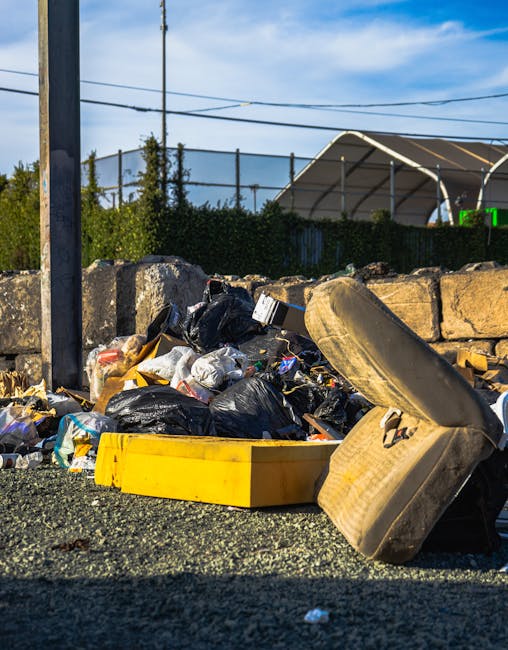
Bulky waste in Lamorbey: wardrobes and white goods
Posted on 06/05/2026
If you have an old wardrobe blocking the hallway, a fridge that gave up at the worst possible moment, or a washing machine that somehow became heavier after you stopped using it, you are not alone. Bulky waste in Lamorbey: wardrobes and white goods tends to show up right when life is already busy - before a move, after a replacement delivery, or during a long-overdue clear-out. The awkward part is rarely the decision to get rid of them. It is the lifting, the planning, the access, and the simple question of what happens next.
This guide breaks the process down in plain English. You will find practical steps, common mistakes, safety notes, and a realistic look at the best ways to deal with large furniture and household appliances in Lamorbey. If you are also preparing for a move, it may help to pair this with premove decluttering advice and streamlined packing strategies so the whole job feels less like a scramble.
Expert summary: The safest and least stressful bulky waste clearance is the one you plan before you start moving anything. Measure first, disconnect properly, protect floors and walls, and only then choose the most suitable removal option.
Why Bulky waste in Lamorbey: wardrobes and white goods Matters
Bulky waste sounds straightforward, but in practice it is one of those jobs that can turn messy very quickly. A wardrobe may need partial dismantling. A fridge freezer needs safe handling because of weight, door swing, and possible residue. A tumble dryer or dishwasher may still hold water, cables, or sharp edging underneath. It only takes one rushed lift or one badly timed turn in a narrow corridor for the whole thing to become awkward. And let's face it, nobody wants to be stuck half way down the stairs with a wardrobe door swinging open like it has ideas of its own.
In Lamorbey, many homes have the same practical challenges you see across South East London: tight front paths, parked cars, narrow internal hallways, and limited space for staging items outside. That is why bulky waste clearance is not just about "getting rid of stuff". It is about moving large, heavy items safely without damaging your home, your back, or the route to the van.
There is also a sustainability angle. White goods are not just rubbish in the usual sense. They often contain metals, plastics, wiring, cooling components, or other materials that should be handled properly. Old wardrobes, especially flat-pack or composite pieces, may still have life in them if they can be reused, donated, or broken down for recycling. A careful approach can reduce waste and make the process feel less wasteful overall.
If you are already planning a home clearance or move, broader support such as removals in Lamorbey or furniture removals can be a sensible fit, especially when bulky waste is only one part of the job.
How Bulky waste in Lamorbey: wardrobes and white goods Works
At a practical level, bulky waste removal usually follows a few simple stages. The exact route depends on the item, the building layout, and whether the item can be reused, dismantled, or must go straight for disposal.
Typical workflow
- Identify the item - wardrobe, fridge, freezer, cooker, washer, dryer, or a combination of several things.
- Check whether it can be reused - a serviceable item may be better passed on than thrown away.
- Measure access - door widths, stair corners, lift access, exterior steps, and car parking distance all matter.
- Disconnect safely - especially for white goods. Water, gas, and electrical connections need proper attention.
- Prepare the item - empty shelves, remove drawers, tape doors, secure loose parts, and protect nearby surfaces.
- Move with the right equipment - straps, dollies, blankets, gloves, and a suitable vehicle can make a huge difference.
- Dispose responsibly - ideally through reuse, recycling, or a clearance route that separates items properly.
Some items are simple enough to shift in one piece. Others are not. A large sliding-door wardrobe may need to be broken down before it leaves the bedroom. A fridge freezer might be too bulky to take through a tight turn unless it is carried on edge carefully and with enough people to control the weight. A dishwasher that still has trapped water can leak all over a landing if no one checks it first. Small details, big difference.
If the item is part of a wider house move, it can be helpful to read moving house tips for a less stressful day and how proper cleaning helps with a smooth transition. Those guides fit neatly with bulky waste planning because good clearance is usually good preparation.
Key Benefits and Practical Advantages
People usually think of bulky waste clearance as a chore, but done properly it solves several problems at once. That is why it is often worth handling thoughtfully instead of treating it like a quick drag-and-drop task.
- Safer handling: Large wardrobes and appliances can injure backs, fingers, and feet if moved badly. A proper plan reduces risk.
- Less damage to the property: Corners, paintwork, bannisters, and flooring are all easy to scuff when moving heavy items.
- Better time control: What feels like a "five-minute job" often becomes a half-day headache if you start unprepared.
- Cleaner rooms: Once the old wardrobe or white good is gone, you can deep clean, redecorate, or reorganise the space properly.
- More sensible disposal: Reuse and recycling are often more appropriate than simply dumping everything.
- Less stress during a move: Clearing large items before moving day can make the whole process feel much calmer.
There is another benefit people underestimate: clarity. A room that still contains an old wardrobe or dead appliance can feel "unfinished" for weeks. Once it is removed, the space suddenly becomes usable again. You see the light better. You think more clearly. Truth be told, that shift matters more than people expect.
For homes where storage is tight, the difference can be even more noticeable. If you need to hold onto an item temporarily before final disposal, the storage options in Lamorbey may help while you work out the right next step.
Who This Is For and When It Makes Sense
Bulky waste clearance is useful for a lot more people than just homeowners doing a major declutter. In Lamorbey, the need often comes up in everyday situations that are perfectly ordinary - just inconvenient.
Common situations
- You are replacing a wardrobe and need the old one removed before delivery.
- Your fridge, freezer, or washing machine has stopped working and is too heavy to leave for later.
- You are moving out of a flat and do not want to take oversized furniture with you.
- You are preparing a rental property for new tenants and need rooms cleared quickly.
- You have inherited furniture or appliances and need to deal with them sensitively.
- You are downsizing and every square metre suddenly matters.
- You are helping a student move and need to shift bulky items without a carload of stress.
For flats in particular, access can be the deciding factor. If your building has a narrow stairwell or no lift, then even a standard wardrobe can become a team job. That is why services such as flat removals in Lamorbey are often relevant alongside bulky waste planning. The same goes for urgent clearances, where same-day removals may be a practical fallback if timing is tight.
One slightly unglamorous but very real example: a couple clearing a bedroom before carpet fitting. The wardrobe looked like a "good idea to keep for now" until the carpet layers wanted the room empty by 8 a.m. Suddenly that one item became the whole problem. It happens all the time.
Step-by-Step Guidance
If you want the process to feel manageable, work through it in order. Skipping steps is usually where the trouble starts.
1. Decide whether the item is rubbish, reusable, or repairable
A wardrobe with solid panels and working fittings may still have value. A white good that only needs a minor part replacement may be worth repairing if it is economical. If the item is unsafe, heavily damaged, mouldy, or no longer functional, disposal becomes more sensible.
2. Empty the item completely
Take everything out of wardrobes, drawers, fridges, and freezers. Remove shelves if they can shift during transport. Ice trays, bottles, and loose containers can create a surprising amount of mess. With white goods, make sure there is no water inside. A tiny puddle can travel further than you would think.
3. Disconnect safely
Unplug appliances at the socket first. For washing machines and dishwashers, isolate the water supply before disconnecting. If there is any gas connection involved, that part should be handled by a suitably qualified person. Do not force anything that seems stuck.
4. Measure the route
Check the route from the room to the exit. Measure the item. Then measure the doorways, turns, and landings. People often check the item and forget the hallway bend. That is where the snag appears. If the piece will not fit, dismantling may be the only sensible choice.
5. Dismantle where needed
Many wardrobes are easier to move in sections. Keep screws, fittings, and handles in a labelled bag. Tape that bag to one panel or put it somewhere obvious. Otherwise it vanishes, as these little bags always do.
6. Protect the property
Use blankets, cardboard, or floor protection on corners and vulnerable surfaces. Lift, do not drag, where possible. If you have tiled floors or a narrow stairwell, extra care is worthwhile.
7. Use the right help for the job
A heavy appliance or a large wardrobe is not always a one-person task. A suitable van, lifting equipment, and enough people on hand make a huge difference to safety and speed. If the job is part of a wider move, man with a van in Lamorbey or man and van support can be a useful route for practical, flexible help.
8. Choose the disposal route
Once the item is out, decide whether it goes to recycling, reuse, or collection. Good planning at this stage keeps the process tidy and avoids items sitting around in the front garden for days. Nobody needs that look.
Expert Tips for Better Results
A few small decisions can save a lot of hassle. These are the things that tend to separate a smooth clearance from a frustrating one.
- Take doors off wardrobes early. They add width and catch on railings and tight corners.
- Photograph cable and hose setups before disconnecting. A quick phone photo can save time later if the appliance is being reinstalled elsewhere.
- Remove drawers and shelves before moving. They make heavy furniture lighter and easier to grip.
- Keep hardware together. Put screws, brackets, and panels in one labelled bag or box.
- Wear proper gloves and sturdy shoes. Slippery floors and sharp edges are not a good mix.
- Plan the path out of the property. Hold doors open, move small obstacles, and clear the route before lifting.
- Schedule around delivery times. If a new appliance is arriving, make sure the old one is gone first. Obvious, yes, but often forgotten.
Here is a practical little rule: if you cannot confidently lift the item while keeping your balance and your grip, stop and rethink. That is not being cautious for the sake of it. That is common sense, which is still useful even when people pretend otherwise.
If you want to prepare properly before a larger move, the guide on moving beds and mattresses without fuss can also help with other awkward household items that do not like narrow hallways.
Common Mistakes to Avoid
Most bulky waste problems are created by haste. People try to "just get it out" and then the job gets bigger. A few common mistakes come up again and again.
- Forcing oversized items through a doorway. That is how damage happens.
- Leaving appliances plugged in or partially connected. Always disconnect properly first.
- Underestimating weight. White goods are much heavier than they look, especially when awkwardly balanced.
- Ignoring hidden water or debris. Freezers, dishwashers, and washing machines can leak unexpectedly.
- Not checking whether the wardrobe can be dismantled. Most can, at least in part.
- Putting everything at the kerb without checking the route or timing. That can create nuisance, especially in shared spaces.
- Mixing waste types together. Reusable furniture, recyclable components, and general waste often need different handling.
A small story from the real world: someone once left an old freezer "just outside for ten minutes" while they fetched tools. It stayed there for a week. The weather changed, the feet on the base settled into the path, and the whole thing became more awkward than the original job. Not ideal. Not terrible. Just the kind of avoidable nuisance that makes a simple task feel endless.
If your clear-out is tied to moving day, it is worth reading the DA15 moving checklist for a local planning angle, especially if timing and access are both tight.
Tools, Resources and Recommendations
You do not need a van full of equipment, but the right basics make the job much easier.
| Tool or resource | Why it helps | Best for |
|---|---|---|
| Work gloves | Improves grip and protects hands from sharp edges | Wardrobes, metal parts, appliance backs |
| Furniture straps | Helps control heavy loads and reduce strain | Moving appliances or long panels |
| Blankets or floor protection | Reduces scuffs and impact damage | Hallways, doors, stairs |
| Socket tester or checklist | Helps confirm safe disconnection routines | White goods removal |
| Bag or box for screws | Keeps fittings together | Dismantled wardrobes |
| Suitable removal vehicle | Provides space and proper securing for large items | Multiple bulky items or bigger jobs |
One often overlooked resource is a sensible timeline. If the item is not urgently blocking your space, set a date and work backwards. That sounds simple, but it changes everything. Instead of staring at the fridge wondering where to begin, you have a plan: empty it, defrost it, disconnect it, remove it, clear it. Done.
There is also value in good preparation advice for adjacent items. For example, if you are storing appliances temporarily, the article on how to store a freezer correctly when it is not in use can prevent avoidable damage, smells, or moisture problems. Likewise, if a sofa or bed is part of the same clear-out, the guides on sofa storage and proper cleaning before transition are genuinely useful companion reads.
Law, Compliance, Standards, or Best Practice
For bulky waste, the safest approach is to follow recognised UK waste-handling and safety best practice. You do not need to become a compliance expert, but you should understand the broad principles.
First, white goods should be handled carefully because they may contain components that require responsible recycling or specialist treatment. Second, if an item could be reused, that is often preferable to disposal. Third, if you are hiring help, you want to know the provider is working safely, using appropriate equipment, and handling items with care. That means clear communication, safe lifting practice, and sensible transport methods.
There is also a simple property rule: do not create a hazard on the pavement, in communal areas, or in shared access routes. Items should be kept secure, moved promptly, and not left where they could obstruct neighbours or pedestrians. In a place like Lamorbey, where access can already be tight, good manners and good logistics go hand in hand.
For peace of mind, it is worth checking practical service standards such as insurance and safety information, along with the company's health and safety policy. If you are comparing providers, looking at the wider services overview and pricing and quotes can also help you judge what is included before you commit.
Options, Methods, or Comparison Table
There is no single best method for every situation. The right choice depends on the item, the access, and how quickly you need it gone.
| Method | Best for | Pros | Watch out for |
|---|---|---|---|
| DIY clearance | Small, light items or very simple access | Low upfront cost, full control | Risk of injury, property damage, and transport issues |
| Man and van support | Single bulky items, mixed loads, tight schedules | Flexible, practical, less lifting for you | Needs clear item prep and accurate access info |
| Full removal service | Several large items or clearance alongside a move | More organised, usually less stress | May be more than you need for one item |
| Storage first, disposal later | Uncertain decisions or phased move-outs | Buys time, reduces pressure | Not ideal for items that are already at end of life |
For many Lamorbey households, the best balance is a tailored removal approach rather than trying to do everything alone. That is especially true if a wardrobe is coming out of a bedroom, a freezer is being disconnected, and a staircase has a turn at the top. One job, yes. Simple job, not always.
Case Study or Real-World Example
A fairly typical Lamorbey scenario goes like this. A family is preparing to move from a three-bedroom home. The built-in wardrobe in one bedroom is staying, but two freestanding wardrobes are not. At the same time, the old fridge freezer in the kitchen has already been replaced, and the washing machine is being moved to the new property. The catch? The hallway is narrow, the front path is short, and the old appliances are still in the way of packing boxes.
Instead of trying to handle everything in one rushed afternoon, they split the job into stages. First they emptied the wardrobes and removed the drawers. Then they unplugged and defrosted the freezer, gave it time to drain, and checked the route out. After that, they booked help for the heavy lifting and used a vehicle that could take both the furniture and the appliances in one trip. The result was boring in the best possible way: no damage, no last-minute panic, and no wet kitchen floor. Boring is good here.
That sort of planning also makes a move easier overall. If you are at the point where bulky waste, furniture removals, and general moving support are all blending together, it may be worth looking at house removals in Lamorbey or the more general removal services page to see how the pieces fit together.
Practical Checklist
Use this quick checklist before moving anything large out of the property.
- Identify each item and decide whether it is reusable, recyclable, or ready for disposal.
- Measure doors, stair turns, and the item itself.
- Empty wardrobes, fridges, freezers, and drawers fully.
- Disconnect appliances safely and check for trapped water.
- Remove shelves, handles, and loose fittings if needed.
- Label screws and hardware in a secure bag.
- Protect floors, corners, and bannisters.
- Arrange enough help for lifting and carrying.
- Confirm the transport method and route.
- Decide in advance where the item goes after removal.
If you are doing several rooms at once, this list can save a surprising amount of time. Tape it to a cupboard door if needed. Old-school, maybe. Effective, definitely.
Conclusion
Bulky waste in Lamorbey: wardrobes and white goods is not just about removing old stuff. It is about doing it safely, sensibly, and without turning a straightforward task into a stressful one. A wardrobe that needs dismantling, or a white good that must be disconnected and carried carefully, calls for a bit of planning - and planning is what keeps the day calm.
Whether you are clearing a single appliance, emptying a spare room, or preparing for a move, the best result usually comes from taking the time to measure, sort, protect, and then move. Simple steps, properly done, save you from bigger problems later. And once that heavy item is finally out the door, the room feels lighter. Honestly, a lot lighter.
Get a free quote today and see how much you can save.