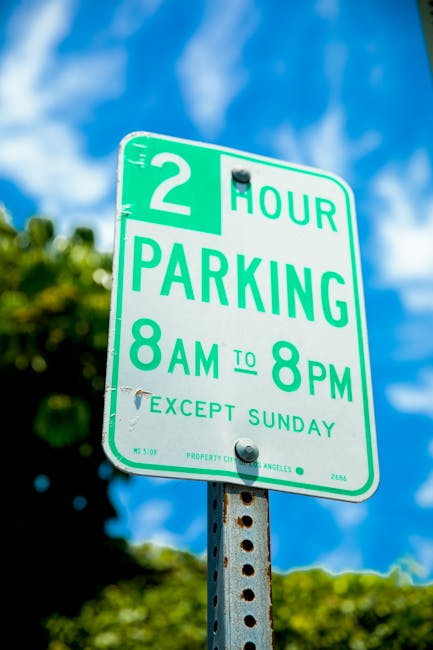
Parking suspension rules in Lamorbey: avoid fines
Parking suspension rules in Lamorbey can catch people out at the worst possible moment: the van is booked, boxes are stacked by the door, and suddenly the space outside your property is no longer yours to use. If you are moving home, managing a delivery, or arranging access for a larger vehicle, understanding the basics of parking suspension rules in Lamorbey: avoid fines is one of those small jobs that can save you a big headache. Truth be told, most fines happen because someone assumed the bay would still be available. It usually is not that simple.
This guide explains how suspensions work, why they matter, what to check before moving day, and how to reduce the risk of penalty charges or awkward last-minute changes. If you want a smoother move as well, it can help to read about stress-free moving-day planning and packing strategies that keep the day moving. They sit nicely alongside the parking side of things.
Why Parking suspension rules in Lamorbey: avoid fines Matters
Lamorbey is one of those places where access can look straightforward on a map and then feel much tighter once you are actually there. A bay outside a terrace, a narrow road with limited wiggle room, a shared access lane, or a controlled parking zone near a busy street can all become problems if a suspension has been put in place and nobody noticed. The result is predictable: a driver stops where they should not, stays a bit too long, and comes back to a penalty notice on the windscreen. Not ideal, to put it mildly.
Parking suspension rules matter because they affect timing, loading space, and the safe position of your vehicle. They also affect neighbours, building managers, and anyone else relying on the same stretch of road. If you are organising a move, this often becomes part of the wider logistics alongside flat access, stair carrying, and narrow-road planning. In that sense, parking is not just parking. It is part of the whole operation. That is why a local planning mindset matters, especially for homes where vehicles need to load directly outside the property.
There is also a trust angle. When you plan a move properly, the day feels calmer, the crew can work efficiently, and you are less likely to have avoidable delays. If you are at the stage of choosing support, this guide to council permit planning for house moves and these narrow-street access tips for Lamorbey are useful companions. They help you think about the road, not just the front door.
How Parking suspension rules in Lamorbey: avoid fines Works
In plain English, a parking suspension temporarily removes normal parking rights from a specific space or bay. The reason is usually practical: access is needed for works, removals, delivery vehicles, emergency access, road management, or another authorised activity. During the suspension period, parking there is not permitted, even if the bay is usually available to residents or visitors.
The important part is that the suspension is location-specific and time-specific. It may cover one bay, several bays, or a stretch of road. It may apply for a few hours or longer. The exact details will usually be set out in the notice or instruction for that location. If you park in a suspended bay anyway, or your vehicle remains there once the suspension starts, you may be exposed to a penalty. That is the bit people regret later, often because they were only "just a few minutes" late. Councils do not tend to be impressed by that reasoning. Shocking, I know.
For anyone moving in Lamorbey, the best approach is to plan around the suspension rather than reacting to it. That means checking timing, confirming where your vehicle can wait, and making sure your loading plan does not depend on a space that may be taken away at short notice. If you are arranging a larger move, resources like the DA15 moving checklist can help you keep everything tidy and in order.
Key Benefits and Practical Advantages
Most people think of parking suspension guidance as a compliance issue. Fair enough. But it also brings some very practical benefits that make moving day less chaotic.
- Fewer penalties: the obvious one, and often the most expensive to ignore.
- Better time planning: you know where vehicles can stop and for how long.
- Smoother loading and unloading: less back-and-forth carrying means less fatigue.
- Safer handling: items can be moved in shorter, better-controlled routes.
- Less neighbour friction: nobody enjoys a van blocking the one space everyone shares.
There is also a hidden benefit: calm. Once the parking question is settled, the rest of the move tends to feel more manageable. You do not spend the morning peering out the window, wondering whether someone has parked in your spot. You can focus on the boxes, the keys, and the important details that actually need your attention.
If your move includes awkward items or heavy furniture, avoiding unnecessary carrying distance is especially useful. A move involving larger pieces is less stressful when the vehicle can get close to the entrance. For that reason, it can be worth looking at bed and mattress move tips and why piano moving is best left to professionals if your inventory includes anything bulky or awkwardly shaped.
Who This Is For and When It Makes Sense
Parking suspension rules are relevant to more people than you might first think. Yes, they matter for home movers. But they also matter for landlords, letting agents, building managers, tradespeople, office movers, students leaving flats, and anyone organising a visit from a large vehicle that needs careful positioning.
It makes sense to think about parking suspensions if you are:
- moving house in Lamorbey and need a van close to the entrance
- arranging a flat move with limited kerb space
- coordinating deliveries of furniture or white goods
- planning access for a removal van on a narrow residential road
- handling a same-day move where timing is already tight
- managing an office move with loading constraints
It also makes sense if your building has shared parking or you are on a road where waiting space is scarce. The tricky bit is that many parking issues are not obvious until the last minute. A resident may assume a bay can be used all day, while the actual restriction starts at 8:00 or 9:00 in the morning. That gap between assumption and reality is where fines are born.
For students, flat-sharers, and anyone living in tighter accommodation, good planning is even more useful. A simple move can become surprisingly fiddly when there is no spare room for a vehicle to stand still. If that sounds familiar, the guidance on student removals in Lamorbey and flat removals in Lamorbey may be handy, especially if space is tight and the clock is ticking.
Step-by-Step Guidance
Here is the simplest way to handle parking suspension rules without overcomplicating the day.
- Check the parking situation early. Do not leave it until the night before. Look at the road, the available bays, and the likely loading point.
- Confirm whether a suspension is in place. This is where people often miss a detail. If the suspension exists, treat it as real until you know otherwise.
- Map out the vehicle position. Decide where the van can legally wait, where it can load, and where it should not be left.
- Build a timing buffer. Assume there may be delays. A ten-minute cushion can prevent a whole lot of stress.
- Tell everyone involved. Movers, drivers, neighbours, landlords, and anyone helping should know where the vehicle is supposed to be.
- Keep proof or notes handy. If you have arranged parking access, keep the details close so you are not digging through messages in a panic.
- Re-check before the move starts. Conditions can change. That part matters more than people realise.
A tiny practical example: if you are moving from a terraced property in Lamorbey and the nearest loading space is a few doors down, you may still be fine if the route is clear and the parking is lawful. But if that space is subject to a suspension, you need a fallback plan. Maybe that means a different vehicle position, an earlier arrival, or a temporary pause while the crew stages items safely inside. It is much better to decide that before the sofa is halfway out the front door.
If you are planning a fuller move, the broader moving advice in pre-move decluttering guidance and cleaning tips for a smooth transition can save time elsewhere. Less clutter, less carrying, less fuss. Simple, really.
Expert Tips for Better Results
In our experience, the best parking plans are boring. And that is a compliment. Nothing dramatic, no improvising on the driveway, no last-minute guesswork.
Tip 1: Plan the route from van to door, not just the bay itself. A legally usable parking space is only half the story. You also need a route that is sensible for boxes, trolleys, and heavier items.
Tip 2: Watch for peak-time pressure. In some parts of Lamorbey, the same space can be snapped up quickly. If your move starts late, your parking options can become much more limited.
Tip 3: Keep heavier items grouped close to the exit. If your loading point is far away, make sure the heaviest pieces are the most accessible. Your back will thank you later. Honestly.
Tip 4: Think about weather. Wet pavements, slippery kerbs, and poor visibility can make longer carries awkward and risky. A short rainy spell can change the whole feel of the day.
Tip 5: Have a backup plan ready. If the intended space is unavailable, decide in advance what happens next. That may be a nearby legal alternative or a short holding position away from the suspension area.
There is one more thing worth saying: if you are coordinating a complex move, parking should be part of the booking conversation, not an afterthought. That includes flat moves, office moves, and same-day jobs. If you are comparing support options, the pages on man with a van in Lamorbey, removal van hire, and removals in Lamorbey can help you understand how different move types fit different parking realities.
Common Mistakes to Avoid
Most fines and delays come from a small handful of avoidable mistakes. Once you know them, they become easier to sidestep.
- Assuming a bay is available because it was free yesterday. Parking changes. Notices change. People miss updates.
- Reading only the headline. The exact start time, end time, and bay reference matter more than the general wording.
- Parking "just for a few minutes." That is how many people get caught. A short stop can still be a breach.
- Leaving it to the driver to work it out alone. Parking decisions should be part of the move plan, not a surprise task.
- Forgetting the return journey. The bay may be fine in the morning and suspended later, or vice versa.
- Not allowing for loading time. If items take longer to move than expected, the vehicle may overstay its welcome.
A small but common one: people often focus so hard on the front of the house that they forget the road itself. If the street is tight, a bay may be legal but still awkward. That is where local knowledge counts. One side of the road may be easier than the other. A few metres can make a real difference.
For awkward or oversized items, the risk multiplies. A quick look at bulky waste handling in Lamorbey can be useful if you are clearing large furniture at the same time as moving, because bulky items can slow everything down if they are not planned properly.
Tools, Resources and Recommendations
You do not need fancy tools to handle parking suspension rules well. You do need a few reliable habits and the right information in one place.
- A written move plan: keep arrival time, loading location, and fallback parking notes together.
- Vehicle dimensions: know the length and turning needs of the van before committing to a space.
- Contact details: make sure the driver and organiser can reach each other quickly.
- Photo notes: a quick snapshot of the bay, signage, or access point can help avoid confusion later.
- Packing order: boxes and items should be staged so the loading rhythm is steady, not stop-start.
For move preparation more broadly, a few practical internal resources can make life easier. If you need to store items while parking or timing is being sorted out, storage in Lamorbey can be part of the solution. If you are still in the packing stage, packing and boxes support is worth considering, especially when you want everything labelled and ready before the van arrives.
And if your move includes awkward furniture, a sofa that has seen better days, or a freezer that needs temporary handling, the related guides on sofa storage recommendations and storing a freezer correctly when it is not in use can help you avoid damage while the bigger logistics are being sorted.
Law, Compliance, Standards, or Best Practice
Parking suspensions sit within wider local parking controls, so the safest approach is to treat signage and notice details carefully. In the UK, parking enforcement is not something to guess at. If a restriction or suspension applies, the signs and conditions matter. When there is any doubt, it is sensible to seek clarification before parking rather than assuming it will be fine.
Best practice is straightforward:
- read the exact restriction details
- check dates and times carefully
- avoid parking in a suspended bay unless it is explicitly permitted
- make sure temporary access arrangements are understood by everyone involved
- keep your move plan flexible enough to adapt if a bay becomes unavailable
There is also a duty of care angle. A mover, driver, or resident who blocks access in a risky way can create problems for pedestrians, neighbouring properties, and emergency access. That is especially relevant on narrow streets or where large vehicles need room to manoeuvre safely. For a deeper sense of how careful local planning fits into a move, the pages on health and safety policy and insurance and safety can offer useful reassurance about how responsible moves are approached.
One practical standard worth adopting, even if nobody is forcing you to, is simple record-keeping. Keep a note of the date, the planned loading point, and any parking arrangement agreed in advance. It is not glamorous. It does save arguments.
Options, Methods, or Comparison Table
Different parking approaches suit different move types. Here is a simple comparison to help you choose the least stressful option.
| Approach | Best for | Pros | Watch-outs |
|---|---|---|---|
| Park directly outside the property | Short moves with clear kerb access | Fast loading, less carrying, easier supervision | Only works if the space is free and not suspended |
| Use a nearby legal loading point | Residential streets with tighter access | More flexible, can avoid restricted bays | Longer carry distance, more time needed |
| Stage items and move in phases | Complicated moves or time-limited parking | Reduces pressure, helps with large items | Needs good coordination and a clear plan |
| Split the move across two vehicles or trips | Bulky or mixed loads | Can fit around parking limitations | May cost more time and energy |
For many Lamorbey moves, the second option is the most realistic. It may not be the dream scenario, but it is often the one that works. Let's face it, a legal space a little further away is far better than a ticket on the dashboard and a stressed-out morning.
Case Study or Real-World Example
Here is a realistic example based on the sort of situation people often face in Lamorbey.
A couple moving out of a first-floor flat had arranged a removal van to arrive early on a weekday morning. They assumed the space outside the building would be fine because it was normally used for resident parking. The problem was that a temporary suspension had been put in place for the same stretch of road to allow access for another scheduled job. Nobody had checked the notice close enough, and the van was at risk of having nowhere to stop legally.
Instead of forcing the issue, they shifted the loading point to a nearby lawful space, adjusted the timing by 20 minutes, and kept the heavy items staged in the hallway while the vehicle was repositioned. Slightly inconvenient? Yes. Much better than a fine? Absolutely. The move still went ahead, but the team stayed calm because they had a backup plan.
That is the main lesson. The best parking plan is rarely the most ambitious one. It is the one that still works when something changes. And on a moving day, something usually does. A bit of patience goes a long way.
Practical Checklist
Use this checklist before your move or delivery in Lamorbey.
- Confirm whether any parking suspension affects your intended loading space
- Check the exact times, location, and conditions carefully
- Decide where the vehicle can legally wait if the usual bay is unavailable
- Share the plan with the driver or removal team
- Stage boxes and furniture in loading order before the vehicle arrives
- Keep access paths clear for carrying items safely
- Allow extra time for tight roads, stairs, or awkward items
- Have contact details ready in case the plan changes on the spot
- Do a final re-check before the vehicle parks
- Avoid assuming that a bay is usable just because it looks empty
If you are still in the early stages of organising your move, it can help to read about moving house without the usual stress and making packing more efficient. A calmer move starts long before the van turns up.
Conclusion
Parking suspension rules in Lamorbey are easy to overlook until they become the one thing slowing everything down. The good news is that they are manageable with a bit of early checking, a flexible loading plan, and a sensible backup option. If you treat parking as part of the move rather than a side issue, you will usually avoid the classic last-minute scramble that leads to fines, delays, and unnecessary stress.
For most people, the winning formula is simple: check early, confirm carefully, plan the route, and keep one fallback option ready. Do that, and the day feels much more under control. Not perfect, maybe. But calm enough. And that counts for a lot.
If your move also involves a tricky layout, a flat, a heavy item, or a tight timetable, you may find it useful to look through the related guidance on removals and access planning across the site. There is no prize for making moving day harder than it needs to be.
Get a free quote today and see how much you can save.
Frequently Asked Questions
What are parking suspension rules in Lamorbey?
They are temporary parking restrictions that remove the normal right to park in a specific space or bay for a set period. They are usually introduced for practical reasons such as access, loading, works, or moving-day operations.
How do I avoid a fine when a bay is suspended?
Check the exact time and location of the suspension, avoid parking there during the restricted period, and use a lawful alternative loading point if needed. Re-check on the day, because assumptions are where people get caught out.
Can I still stop briefly in a suspended bay?
Usually, no, unless the notice specifically allows it. A short stop can still count as using the space, so it is safer to treat the suspension as a hard boundary unless told otherwise.
Do parking suspension rules matter for house removals?
Absolutely. House removals often rely on the van getting close to the property. If the parking space is suspended, the move may need a revised loading plan to stay lawful and efficient.
Who should check for parking suspensions before moving day?
The organiser, the driver, and anyone arranging access should all know the plan. It only takes one missed detail to cause a delay, so the responsibility should not sit with one person alone.
What if the space outside my Lamorbey property is usually free?
That does not guarantee it will remain available. Parking status can change because of a suspension, another booking, road management, or timing restrictions. Always check the current situation, not just the usual pattern.
Are parking suspensions only a problem on busy roads?
No. Even quieter residential roads can have temporary restrictions. In fact, quieter streets can be deceptive because people assume nothing ever changes there. Then the notice appears and the plan falls apart. Annoying, but common.
Should I build extra time into my move for parking issues?
Yes. A buffer helps with loading, route changes, and any unexpected parking adjustment. Even a small delay can matter if a suspension starts during your move window.
What is the best option if my loading bay is suspended?
Use a nearby lawful alternative, then adjust the route and timing. In many cases, a slightly longer carry is better than risking a penalty or blocking access illegally.
How do parking suspensions affect flat moves in Lamorbey?
Flat moves often involve tighter access, stairs, and less room to manoeuvre. If the closest bay is suspended, you may need a more careful loading plan and extra time for carrying items safely.
Do I need different planning for bulky furniture or heavy items?
Yes. Bigger items make parking more important because long carries increase fatigue and the chance of damage. If the space is restricted, plan the item order and route before moving anything heavy.
What should I do if I am unsure about the rules?
Do not guess. Re-check the notice, confirm the timing, and choose a safer alternative if there is any doubt. It is far easier to change the parking plan than to deal with a penalty notice later.